Endometriosis and Fertility: Your Options Explained
Endometriosis can affect fertility, but it doesn't mean you can't conceive. Here's how it's diagnosed, how it influences your chances, and the treatment routes — from surgery to IVF.
Endometriosis is a condition where tissue similar to the lining of the uterus grows outside it — on the ovaries, fallopian tubes and the lining of the pelvis. It affects a meaningful share of women of reproductive age, and it's a common finding in those investigated for difficulty conceiving. Having endometriosis does not mean you cannot get pregnant; many women with it conceive, with or without help. But it can reduce fertility, and understanding how lets you choose the right path.
It affects fertility in several ways. Endometriosis can cause inflammation that affects egg quality and the way the egg and sperm meet; it can distort pelvic anatomy and form adhesions that interfere with the tubes; and ovarian cysts (endometriomas) can reduce ovarian reserve. The severity of symptoms — particularly painful periods — does not reliably predict the effect on fertility; some women with severe pain conceive easily, and some with little pain have significant disease.
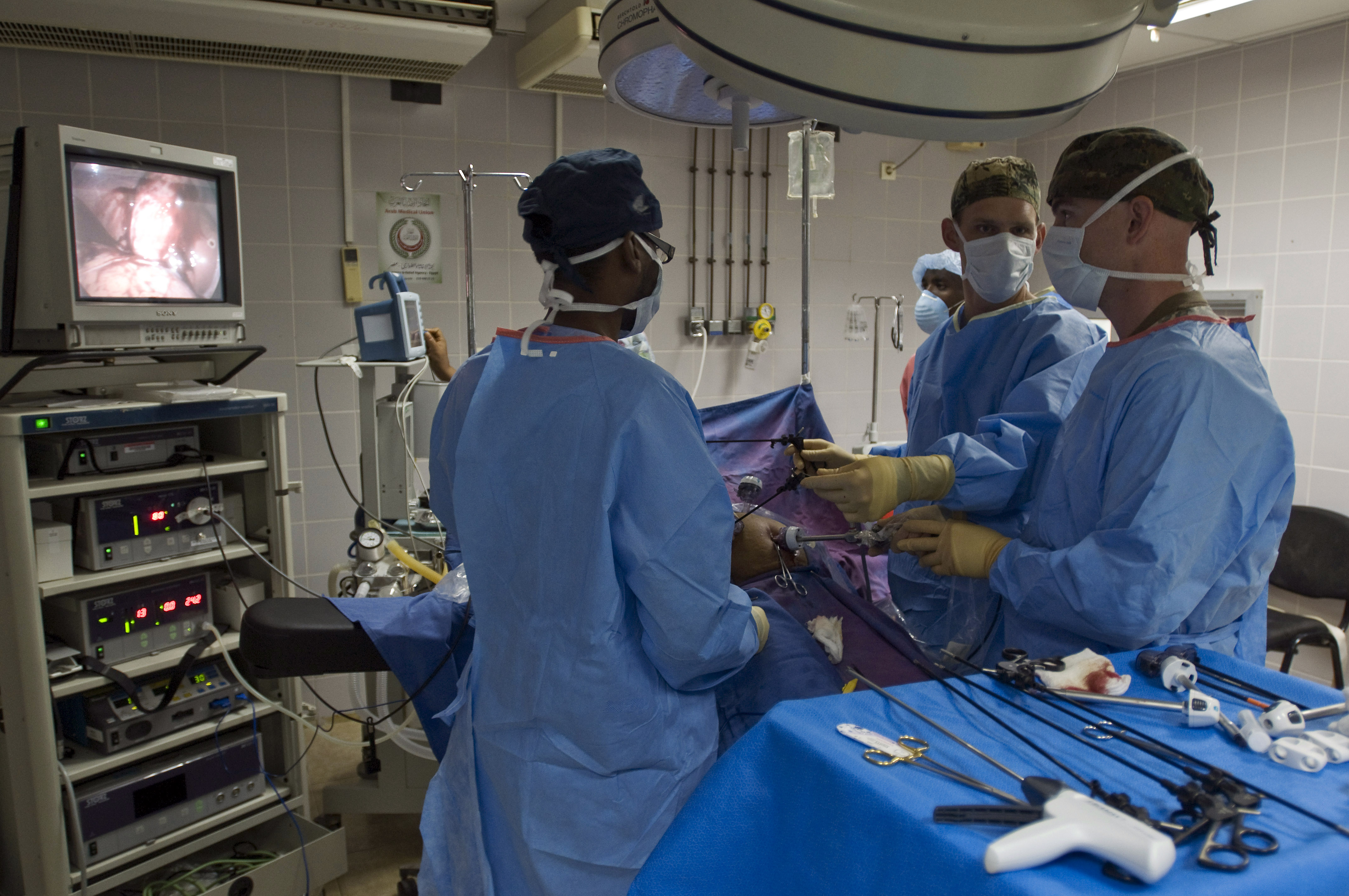
Diagnosis often begins with symptoms (painful, heavy periods, pain during intercourse, pelvic pain) and an ultrasound, which can detect endometriomas but may miss smaller deposits. Laparoscopy — a keyhole procedure — remains the most definitive way to confirm and stage endometriosis, and it allows treatment in the same sitting. That said, surgery is not always the first or best step for fertility, and the decision is individual.
Treatment for fertility is different from treatment for pain. Hormonal medication that suppresses endometriosis is useful for symptoms but prevents pregnancy, so it isn't a fertility treatment. For couples trying to conceive, the realistic options are: a period of trying with monitoring in milder cases; fertility-enhancing laparoscopic surgery in selected cases (which can improve natural conception rates in earlier-stage disease); and assisted reproduction — IUI in milder situations, or IVF.
IVF is often the most effective route when endometriosis is more advanced, when there's reduced ovarian reserve, when the tubes are affected, or when other factors such as age or sperm quality are involved. IVF bypasses much of the anatomical disruption endometriosis causes. Where surgery for endometriomas is being considered, it's weighed carefully against its potential to reduce ovarian reserve — so the sequence of surgery versus IVF is a genuinely individual decision, ideally made with a specialist who treats both.
The most important message is not to let endometriosis — or fear of it — lead to indefinite waiting, because age remains the single biggest factor in fertility. If you have suggestive symptoms or have been trying without success, an evaluation can clarify the stage, protect your ovarian reserve where possible, and match you to the least invasive effective treatment. Outcomes depend on stage, age and other factors, and no result can be guaranteed.
“Severity of pain doesn't reliably predict the effect on fertility — which is why an individual assessment matters more than assumptions.”
— Dr. Milind B. Patil
Frequently asked questions
Yes. Many women with endometriosis conceive, with or without treatment. It can lower fertility, but it does not make pregnancy impossible. The right approach depends on the stage of disease, your age and any other factors.
In selected cases, fertility-enhancing laparoscopic surgery can improve natural conception rates, particularly in earlier-stage disease. However, surgery on ovarian endometriomas can reduce ovarian reserve, so it is weighed carefully against proceeding directly to IVF — an individual decision.
Neither is universally better — it depends. IVF is often the most effective route in more advanced disease, reduced ovarian reserve, tubal involvement, or when age or sperm quality also play a role, because it bypasses much of the anatomical disruption. A specialist who treats both surgery and IVF can advise on the best sequence.