PCOS and IVF: Can You Get Pregnant, and What to Expect
PCOS is one of the most common — and most treatable — causes of difficulty conceiving. Here's how it affects fertility, what's usually tried first, and where IVF fits in.
Polycystic ovary syndrome (PCOS) is one of the most common hormonal conditions in women of reproductive age, and a frequent reason couples find it harder to conceive. The reassuring part, which often gets lost in the worry, is that PCOS is also one of the most treatable causes of infertility. The majority of women with PCOS can have a child; what they usually need is help restoring regular ovulation, and a clear, stepwise plan.
The core issue in PCOS is irregular or absent ovulation. Many women have cycles that are long, unpredictable or skipped entirely, which makes the fertile window hard to find and conception by timing alone unreliable. PCOS is also commonly associated with insulin resistance, which is why weight, diet and physical activity genuinely influence outcomes — even a modest reduction in body weight can restore ovulation in some women.
Treatment almost always starts with the simplest effective step, not with IVF. The first line is usually lifestyle support alongside ovulation-induction medication — letrozole is now preferred over clomiphene for most women with PCOS, based on better ovulation and live-birth rates in trials. Timed intercourse or intrauterine insemination (IUI) is often combined with this. Many couples conceive at this stage and never need IVF at all.
IVF is considered when simpler treatments haven't worked after a reasonable number of cycles, or when there's an additional factor — such as a significant sperm problem, blocked tubes or advancing age — that makes IVF the more sensible route. Importantly, women with PCOS tend to have a high ovarian reserve and respond strongly to stimulation, so IVF success rates in PCOS are generally good. The flip side is a higher risk of ovarian hyperstimulation syndrome (OHSS), which is exactly why a careful, individualised protocol matters.
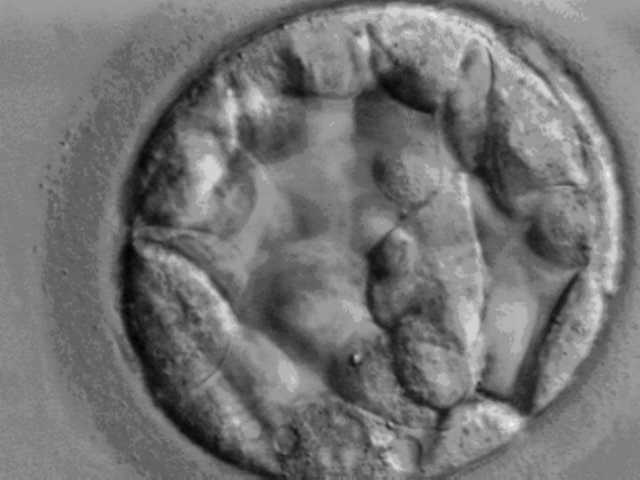
Modern IVF manages that risk well. A common, safer approach for PCOS is an antagonist protocol with a 'freeze-all' strategy: all good embryos are frozen and transferred in a later, unstimulated cycle. This sharply reduces OHSS risk and often improves the chance of a healthy pregnancy by allowing the body to recover and the uterine lining to be prepared optimally. Blastocyst culture and single-embryo transfer are typically used to keep the pregnancy as safe as possible.
If your cycles are irregular and you've been trying for a while, the most useful thing you can do is not wait indefinitely. A simple evaluation can confirm whether PCOS is the issue, rule out other factors, and start you on the least invasive treatment likely to work. Outcomes vary from person to person and depend on age, weight, sperm quality and other factors, so a personalised plan always beats a generic one.
“PCOS is one of the most treatable causes of infertility — most women need ovulation support and a clear plan, not necessarily IVF.”
— Dr. Milind B. Patil
Frequently asked questions
Yes — many women with PCOS conceive naturally or with simple ovulation support. PCOS makes conception harder mainly because ovulation is irregular, but it rarely makes pregnancy impossible. Restoring regular ovulation is the goal of first-line treatment.
Generally yes. Women with PCOS usually have a strong ovarian reserve and respond well to stimulation, so IVF success rates are typically good. The main consideration is managing the higher risk of ovarian hyperstimulation, which modern antagonist and freeze-all protocols handle well.
Most women with PCOS start with lifestyle measures and ovulation-induction medication (often letrozole), sometimes with IUI. IVF is reserved for when these don't work after several cycles, or when another factor — such as male infertility, tubal blockage or age — makes IVF the better choice.
It can. PCOS is often linked to insulin resistance, and even a modest reduction in body weight can restore ovulation and improve the chance of conceiving, as well as improving the response to treatment. It is one of the few changes that genuinely moves the needle.