Frozen Embryo Transfer, Explained

More and more IVF babies are born from frozen embryos — often with results as good as or better than fresh transfers. Here's how FET works, why a 'freeze-all' approach can help, and what to expect.
If you are starting IVF, you will hear the term frozen embryo transfer, or FET, and you may be surprised how central it has become. A large and growing share of IVF babies worldwide are now born from embryos that were frozen and transferred in a later cycle — and the results are often as good as, or better than, fresh transfers. Understanding why takes the mystery out of it.
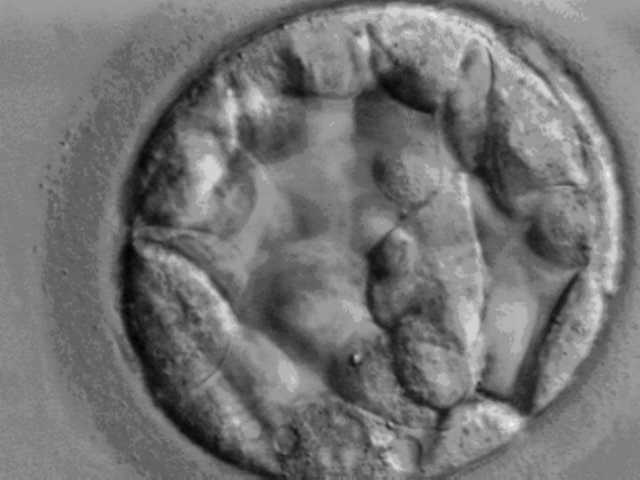
The freezing itself relies on a technique called vitrification — an ultra-rapid cooling that turns the embryo glass-like without forming the ice crystals that once damaged cells. It has transformed the field: survival rates after thawing are now very high, and a well-frozen embryo can wait safely for years until you are ready, with no meaningful loss of quality.
There are two common reasons embryos are frozen. The first is simply surplus: a single egg collection often produces more than one good embryo, so after the first transfer the remaining good-quality embryos are frozen — giving you further chances at pregnancy from one stimulation, without repeating egg retrieval. The second is a deliberate strategy: in a "freeze-all" cycle, every embryo is frozen and none is transferred fresh.
Why freeze them all? Because the same hormone stimulation that grows multiple eggs can leave the womb lining less receptive in that fresh cycle, and can raise the risk of ovarian hyperstimulation (OHSS), particularly in women with PCOS. By freezing everything and transferring in a later, calmer cycle, we separate the two events — growing the eggs and preparing the womb — so each can be optimised. For many patients this improves both safety and success, which is why a freeze-all approach is part of our routine practice where it helps.
An FET cycle is far gentler than a full IVF cycle. There is no stimulation and no egg retrieval. We simply prepare the womb lining — either tracking your natural cycle or using straightforward hormone medication — and, when the lining is ready, thaw the embryo and place it through a thin catheter in a quick, painless procedure that needs no anaesthesia. Two weeks later, a beta-hCG blood test tells us whether it has worked.
For couples, the practical upshot is reassuring: freezing does not waste your embryos or reduce your odds. It lets us transfer the strongest embryo at the best possible moment, into the most receptive womb — and it means a single egg collection can offer more than one shot at bringing home a baby. If you'd like to understand how this fits your own plan, we are always happy to walk through it at a consultation.
“Freezing embryos doesn't lower your chances — done well, it lets us transfer at the best moment, into the most receptive womb.”
— Dr. Milind B. Patil